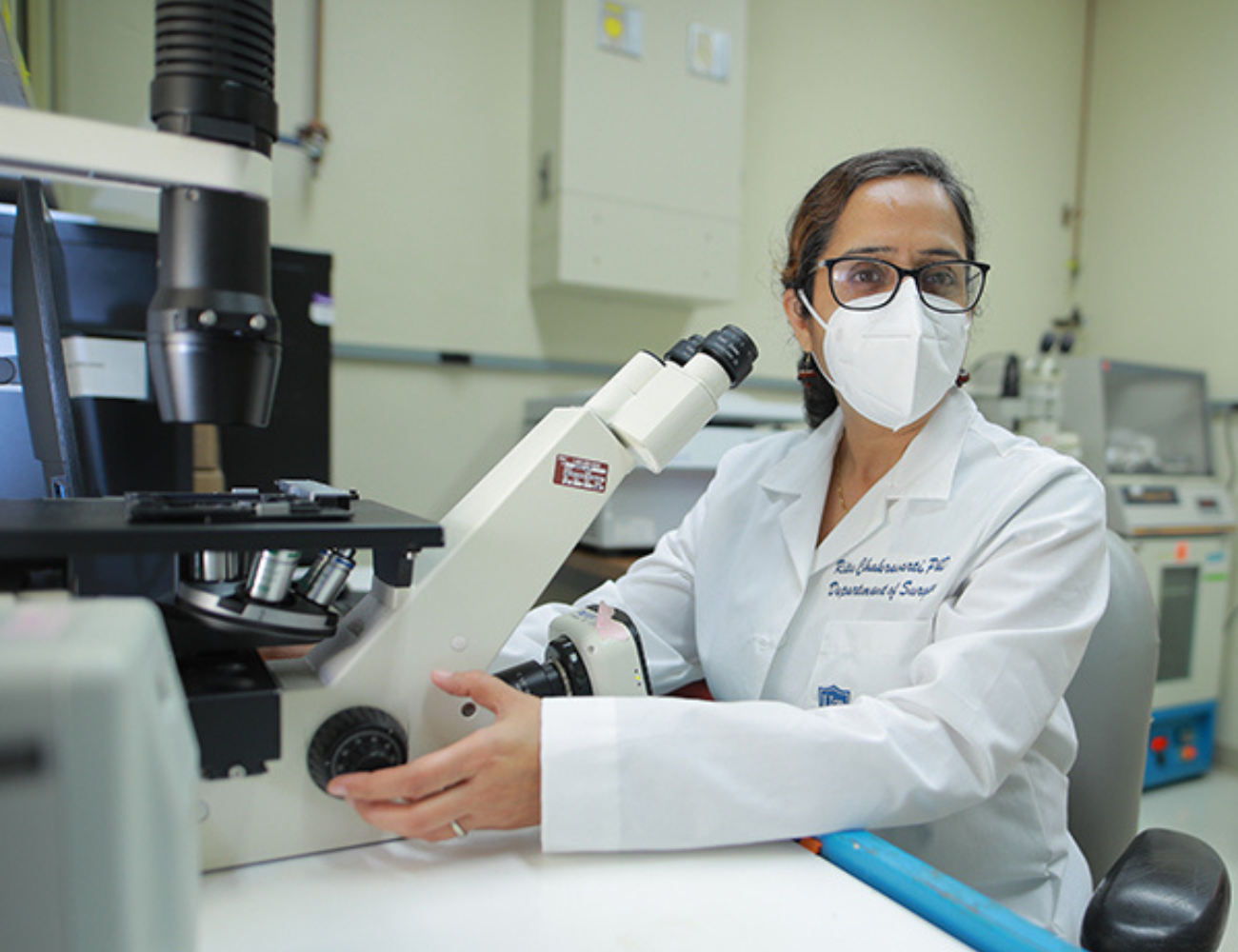

Rheumatology, the branch of medicine focused on arthritis and other diseases of the joints, muscles, and bones, has seen significant advancements in recent years. Research in this field continues to uncover new insights into the causes, treatments, and management of rheumatic diseases.
Here, we explore some of the latest research findings that are shaping the future of rheumatology.

Introduction
Advances in Biologic Therapies
Biologic therapies have revolutionized the treatment of rheumatic diseases, particularly rheumatoid arthritis (RA) and psoriatic arthritis. These drugs target specific components of the immune system that drive inflammation and tissue damage. Recent studies have shown that newer biologics, such as Janus kinase (JAK) inhibitors, provide significant relief for patients who do not respond to traditional treatments. These drugs work by blocking the activity of JAK enzymes, which play a crucial role in the inflammatory process.

The human microbiome, the collection of all microorganisms living in and on our bodies, has emerged as a key player in health and disease. Recent research has found that the gut microbiome can influence the development and progression of rheumatic diseases. For example, a study published in “Cell Host & Microbe” demonstrated that certain gut bacteria could trigger autoimmune responses in genetically predisposed individuals. This finding opens the door to potential microbiome-based therapies, such as probiotics or dietary modifications, to manage or prevent rheumatic diseases.

Precision Medicine and Personalized Treatment
Systemic lupus erythematosus (SLE) is a complex autoimmune disease with a wide range of symptoms and organ involvement. Recent research has shed light on the role of genetic and environmental factors in its pathogenesis. A groundbreaking study published in “Nature Communications” identified a specific genetic mutation that increases the risk of developing SLE. Additionally, researchers have discovered that environmental factors, such as exposure to certain viruses, can trigger lupus flares in genetically susceptible individuals. These findings pave the way for new preventive and therapeutic strategies.
New Insights into the Pathogenesis of Lupus
Imaging techniques are essential for diagnosing and monitoring rheumatic diseases. Recent advancements in imaging technology have improved the ability to detect early signs of disease and assess treatment response. For instance, high-resolution ultrasound and magnetic resonance imaging (MRI) have become invaluable tools for detecting joint inflammation and damage in rheumatoid arthritis. A study published in the “Annals of the Rheumatic Diseases” demonstrated that combining these imaging modalities with clinical assessments provides a more comprehensive evaluation of disease activity.
Advances in Imaging Techniques
Ongoing research continues to identify new therapeutic targets for rheumatic diseases. One promising area of investigation is the role of cytokines, which are proteins that regulate immune and inflammatory responses. Recent studies have highlighted the potential of targeting cytokines such as IL-17 and IL-23 in the treatment of psoriatic arthritis and ankylosing spondylitis. These cytokine inhibitors have shown significant efficacy in reducing inflammation and improving patient outcomes.
Novel Therapeutic Targets
The COVID-19 pandemic has accelerated the adoption of telemedicine and digital health solutions in rheumatology. Virtual consultations and remote monitoring tools have become increasingly popular, allowing patients to receive care from the comfort of their homes. A study published in “Arthritis Care & Research” found that telemedicine is not only feasible but also effective in managing chronic rheumatic diseases, improving patient satisfaction, and reducing healthcare costs.
Telemedicine and Digital Health
The field of rheumatology is rapidly evolving, with continuous research leading to new discoveries and advancements. From biologic therapies and precision medicine to microbiome research and telemedicine, these findings are transforming the way rheumatic diseases are understood, diagnosed, and treated. Staying informed about these latest developments can help patients and healthcare providers make better-informed decisions and improve the quality of care for those affected by rheumatic diseases.